
What are Stainless Steel Pulleys?
PCI’s Stainless steel pulleys are used in numerous locations within a conveyor system such as head positions to drive a belt, or in return/tail, snub, bend and take-up orientations when belt tension and redirection is needed. PCI has developed distinct classes of stainless steel conveyor pulleys that are designed to meet the requirements where proper material selection is critical. Our unique approach to stainless steel conveyor pulleys provides you with stainless steel selection & solutions simplified.
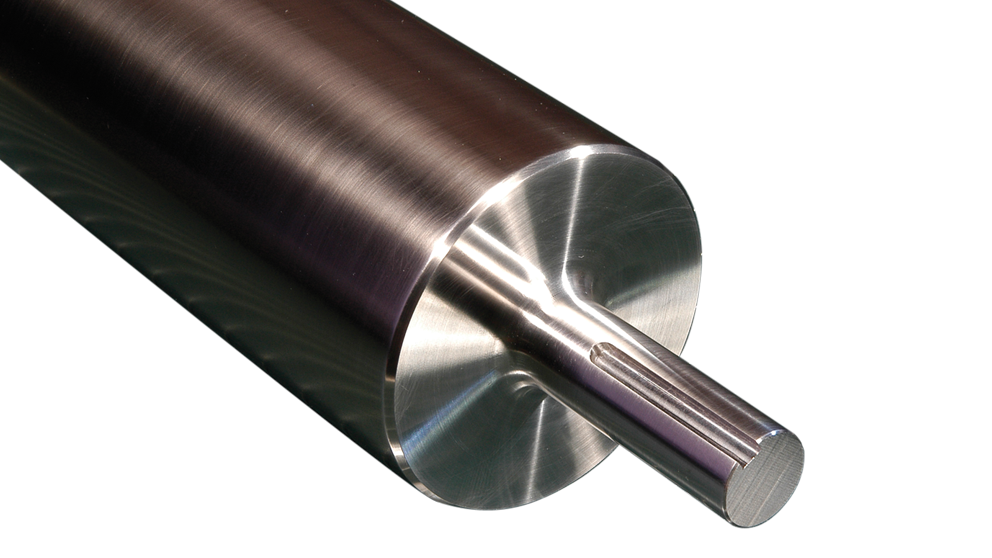
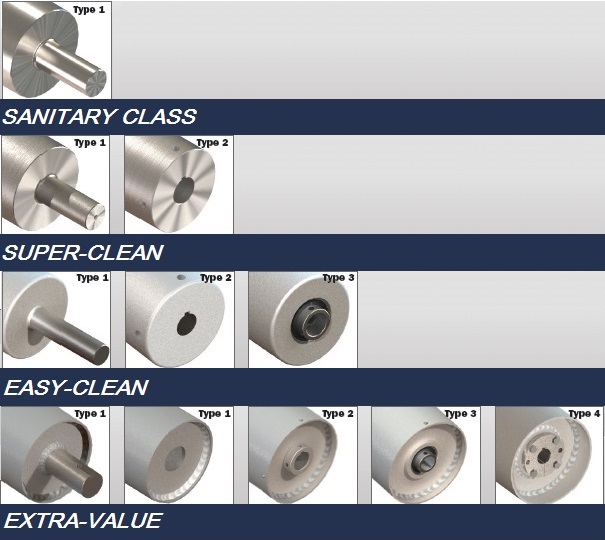
SANITARY CLASS
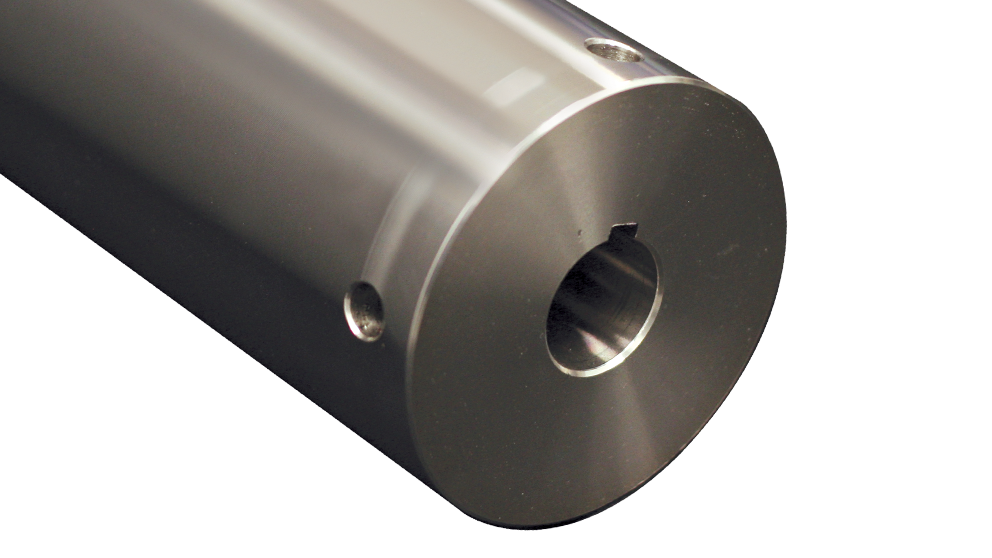
SUPER CLEAN
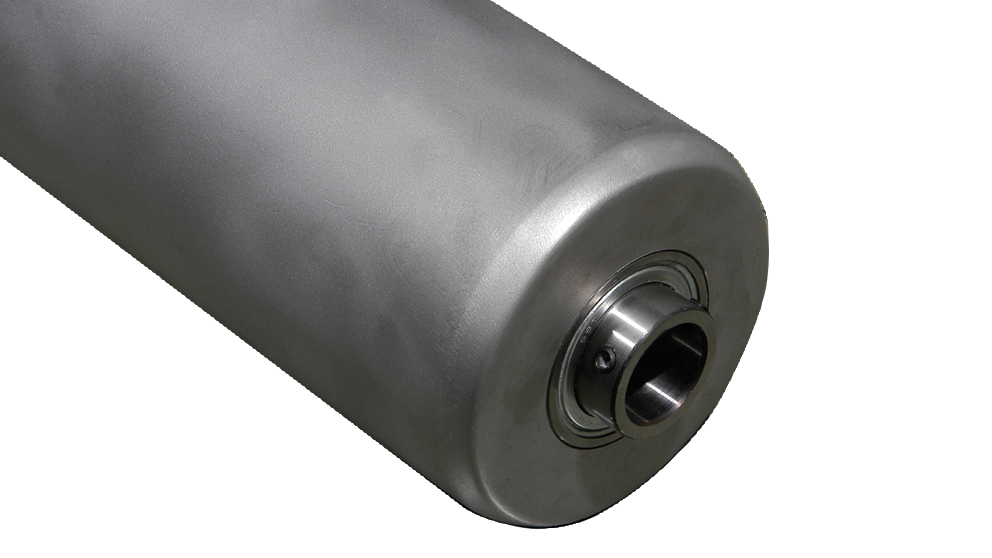
EASY CLEAN
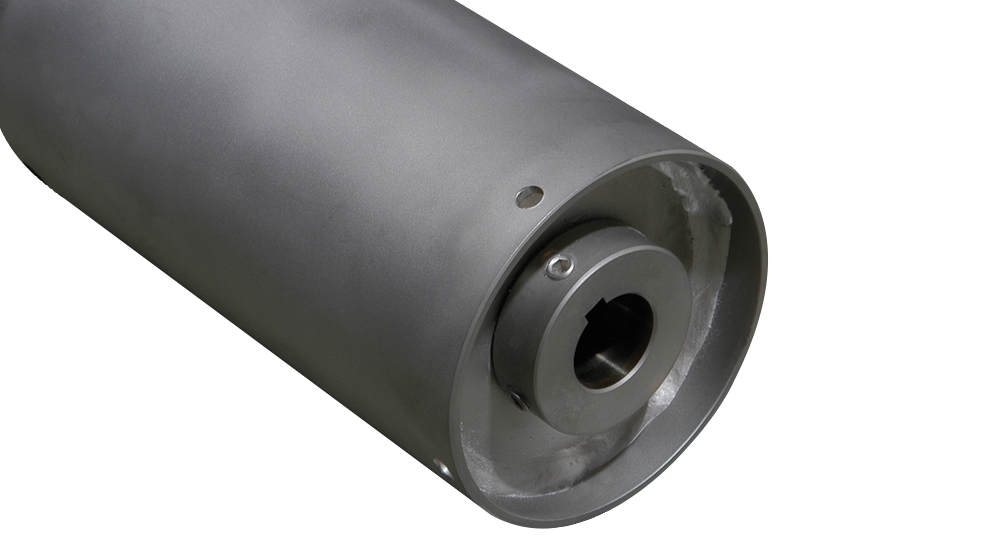
EXTRA-VALUE
Product Offering
Sanitary Class
PCI Sanitary Class pulleys are manufactured to meet 3A, USDA and FDA requirements for cleanliness by offering a premium surface finish and intelligent construction for application success in strict sanitary environments.
SURFACE FINISHES:
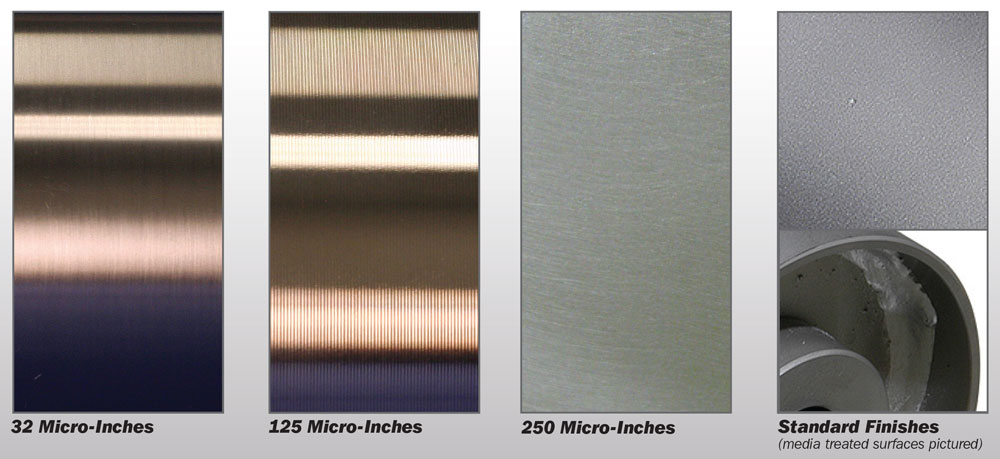
32 Micro-inches (or Better) on Metal Surfaces
64 Micro-inches on Lagging
HUB TYPES:
Super Clean
PCI Super-Clean pulleys are intended for conveyor applications requiring the benefits of a fully machined pulley where USDA or FDA sanitary compliance is not required. Super Clean pulleys provide maximum cleaning efficiency and general aesthetics.
SURFACE FINISHES:
HUB TYPES:
Easy Clean
PCI Easy-Clean pulleys are intended for conveyor applications where direct food contact is not a primary concern and are designed to provide benefits in cleaning efficiency to the intended application.
SURFACE FINISH:
250 Micro-inches (or Better) on Metal Surfaces
HUB TYPES:
Plain Bore
Welded Through Shaft
Keyed Hubs with Setscrews
ER Style Internal Bearings
Extra Value
PCI Extra-Value pulleys are intended for conveyor applications where sanitary requirements are not a concern. Extra-Value class pulleys provide corrosion resistance and reduced magnetic properties to the intended application.
SURFACE FINISH:
HUB TYPES:
PCI Contoured Integral End Disks
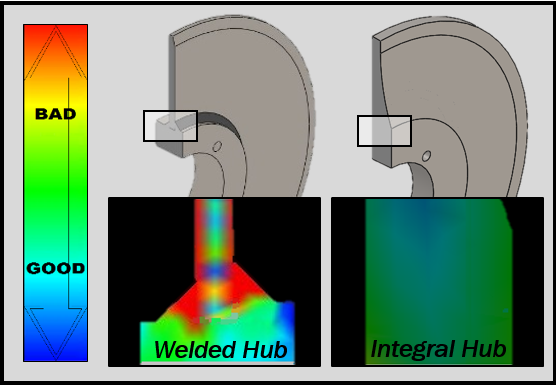
PCI® Contoured Integral End Disks are designed to maximize conveyor pulley life by reducing the risk of failure from end disk fatigue. PCI’s design eliminates the need for a hub-to-disk weld by machining a hub directly into the surface of the end disk. In addition, PCI’s special contour optimizes the surface stress of the end disk by allowing for adequate flexibility not provided by flat disk designs.
Frequently Asked Questions (FAQs)
Does a pulley’s load capacity increase by increasing pulley material thicknesses?
While component thicknesses do contribute to overall pulley capacity, shaft diameter plays the primary role in achieving a desired load capacity. In other words, selecting a pulley with thicker components (Mine Duty over Heavy Duty, MC Series over FC Series) won’t necessarily achieve a greater load capacity if the axle is not sized to accommodate the application loads.
What is the longest length of conveyor pulley that PCI can offer?
PCI can manufacture pulleys with face lengths greater than 14 feet. Pulleys of this length require special consideration to account for shaft deflection. Small diameter pulleys of increased face length commonly utilize fixed stub shafts in place of traditional through shaft designs. Fixed stub shafts decrease the likelihood of end disk fatigue, as a result of shaft deflection. (For additional information, please see PCI Pulley Selection Guide)
When is a hub keyway needed in a conveyor pulley?
The purpose of a hub keyway is to help the transmission of torque from a shaft to the pulley in a drive application. Hub keyways are utilized on pulleys that are driving a belt. Most often, the pulley and belt are being turned by the shaft which is being powered by a motor, gearbox, or sprocket. The hub keyways provide the bushing another point of contact to help drive the torque from the motor or gearbox.
When is a hub keyway NOT needed in a conveyor pulley?
The pulley that is in a non-drive position, is driven by the belt and not the shaft. When utilizing compression hubs and bushings there is sufficient grip on the shaft from the bushings themselves. A hub keyway is not needed for pulleys that operate in driven (non-drive) positions.
Stainless Steel: What are the proper surface finishes for my stainless pulley application?
The surface finish of a conveyor pulley can drastically impact its performance in application. The finish provided on the conveyor pulley’s surfaces will impact the amount of work required to fully eradicate contaminants from its surfaces. Generally speaking, the smoother the surface finish, the easier it will be to remove material from the surface. Because of the variance in available finishes and the work required to achieve them, surface finish should be carefully selected to ensure you receive the correct product at the optimum price.
Stainless Steel: What is the proper construction for my stainless pulley application?
The means by which a conveyor pulley is constructed can play a pivotal role in achieving performance success in application. The construction of a stainless steel conveyor pulley should be carefully selected to ensure the desired level of maintenance and sanitary compliance is achieved. These factors are heavily influenced by the location of the end disks, the pulleys hub style and axle detail specifications.
Product Specific Resources
PCI Stainless Steel Conveyor Pulleys
Product Feature – Corrosion Resistant Pulleys